
OCD Treatment

OCD can involve unwanted, intrusive thoughts and repeated behaviors or mental rituals that feel hard to resist, taking up time and energy throughout the day.
At Psyche Path Psychiatry, OCD care is individualized. Treatment begins by understanding your thoughts, rituals, history, daily functioning and goals so that care reflects what you are actually experiencing.

OCD is more than liking things neat.
Obsessive compulsive disorder involves obsessions, which are unwanted and distressing thoughts, images or urges, and compulsions, which are behaviors or mental acts done to reduce that distress.
OCD can look different from person to person. Some people struggle with fears about contamination or harm, while others feel a strong need for symmetry, certainty or repeated checking and reassurance.
Because anxiety, depression, tics and other concerns can occur alongside OCD, careful assessment is important before determining what may be contributing.
OCD can take up time, focus and energy.
OCD is not a personality quirk. Obsessions and compulsions can consume hours, cause significant distress and interfere with work, relationships and routines.
Intrusive Thoughts
Unwanted thoughts or images may feel upsetting and difficult to push away.
Repeated Rituals
Washing, checking, counting or arranging may feel necessary to reduce anxiety.
Lost Time
Rituals and reassurance seeking can take up a large part of the day.
Treatment begins with understanding the full picture.
OCD symptoms can be private and hard to talk about. Evaluation is a judgment free conversation about what you are experiencing.
Discuss your symptoms
Your provider may ask about intrusive thoughts, rituals, avoidance and how much time symptoms take.
Review your history
Relevant psychiatric, medical, family and treatment history may provide important context.
Consider daily functioning
The evaluation may explore how symptoms affect work, school, relationships or routines.
Consider related concerns
Anxiety, depression, tics and other conditions may also be explored.

OCD care looks at thoughts and behaviors together.
Your provider may review several areas to understand how OCD is affecting you and what treatment may be appropriate.

OCD treatment should be individualized to your needs.
Treatment recommendations depend on your symptoms, clinical history, goals, health information and how OCD may be affecting daily functioning.
Care may include medication management when clinically appropriate, education about OCD, coordination with specialized therapy such as exposure and response prevention, treatment planning and ongoing psychiatric follow up.
Medication is not automatically prescribed simply because OCD is being evaluated or discussed. Recommendations depend on the provider’s assessment and your individual clinical situation.
The goal is not simply to “stop thinking about it.”
OCD management may involve understanding the cycle of obsessions and compulsions and finding practical ways to reduce its hold on everyday life.
Medication may be considered when clinically appropriate and reviewed over time for response and concerns.
Specialized therapy approaches for OCD may be recommended and coordinated as part of your care.
Understanding how OCD works may help you recognize patterns and participate more actively in treatment.
Follow up allows treatment response, symptoms and changing needs to be reviewed.
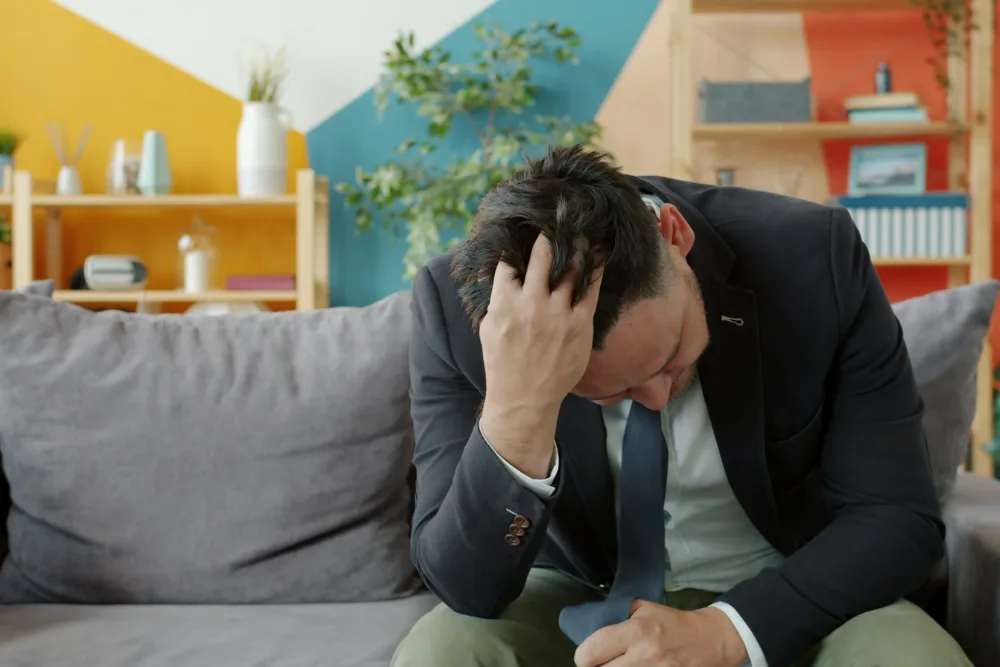
Consider evaluation when OCD symptoms keep interfering with daily life.
Double checking a door now and then is normal. Evaluation may be worth discussing when thoughts and rituals are distressing, time consuming and repeatedly interfere with important areas of life.
Unwanted thoughts or images keep returning and cause significant distress.
You feel you must repeat certain actions or mental acts to feel okay.
Obsessions and compulsions take up an hour or more of your day.
Symptoms are beginning to interfere with work, relationships, routines or responsibilities.
Being organized or careful does not mean OCD.
OCD is often misunderstood. A thoughtful evaluation helps determine what may be contributing before treatment recommendations are made.
Liking things tidy is different from feeling unable to stop rituals without distress.
Many people have odd thoughts. In OCD they are distressing, sticky and drive rituals.
Anxiety, depression, tics and related conditions may occur alongside OCD.
Medication decisions require careful clinical review.
Medication may be one part of OCD treatment when clinically appropriate. Before making recommendations, your provider may review symptoms, health history, current medications, treatment goals and other relevant clinical information.
If medication is prescribed, follow up may include reviewing benefits, concerns, side effects and whether the treatment plan remains appropriate.
Do not start, stop or change psychiatric medication without discussing the change with an appropriate healthcare professional.
Learn About Medication Management →OCD treatment is more than a prescription.
Effective care may involve understanding obsessions, compulsions, triggers, treatment response and the practical challenges affecting your everyday life.
OCD care with convenient access.
Psyche Path Psychiatry is based in Houston, Texas. Telehealth may be available for eligible patients when virtual psychiatric care is appropriate for their needs.
Questions about OCD treatment.
Learn more about OCD evaluation, treatment planning, medication and ongoing psychiatric care.
What is OCD? +
OCD, or obsessive compulsive disorder, is a condition involving unwanted, distressing thoughts called obsessions and repeated behaviors or mental acts called compulsions.
What are common OCD symptoms? +
OCD symptoms may include fears about contamination or harm, a need for symmetry or certainty, repeated washing, checking, counting, arranging and seeking reassurance.
Is being neat or organized the same as OCD? +
No. Preferences for order are common. OCD involves distressing thoughts and rituals that are hard to control and interfere with daily life.
How is OCD evaluated? +
OCD evaluation may include discussion of obsessions, compulsions, time spent on symptoms, mental health and medical history, daily functioning and related concerns.
What can OCD treatment include? +
Depending on individual needs, OCD care may include education, coordination with specialized therapy, medication management when clinically appropriate and ongoing psychiatric follow up.
Does OCD treatment automatically mean medication? +
No. Medication is not automatically prescribed. Treatment recommendations depend on your symptoms, health history, clinical needs and the provider’s assessment.
Can OCD medication be reviewed during follow up appointments? +
Yes. When medication is part of treatment, follow up may include reviewing effectiveness, side effects, symptoms and whether the current plan remains clinically appropriate.
Are intrusive thoughts dangerous? +
In OCD, intrusive thoughts are typically unwanted and distressing because they go against what a person values. A provider can help you understand them without judgment.
Can OCD care be provided through telehealth? +
Telehealth may be available for OCD related psychiatric care when appropriate and when the patient is eligible for virtual care.
Where is Psyche Path Psychiatry located? +
Psyche Path Psychiatry is based in Houston, Texas. Telehealth may also be available as a convenient care option for eligible patients.
Intrusive thoughts and rituals deserve a thoughtful evaluation.
Schedule an appointment with Psyche Path Psychiatry to discuss OCD symptoms, treatment questions and appropriate next steps for your mental health care.